

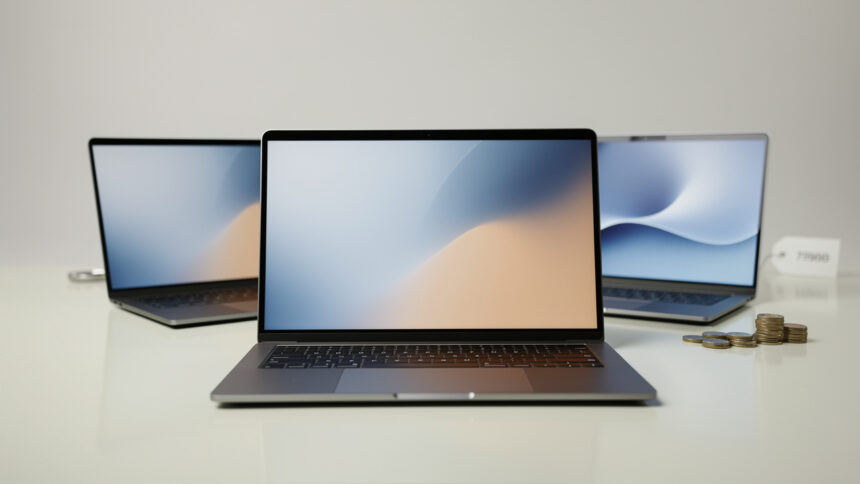
A four-figure budget used to mean serious compromises in a laptop. In 2026, under $1,000 AUD gets you a capable machine, provided you know which corners are safe to cut and which aren’t. Here’s our breakdown by use case, since “best” depends heavily on what you’re actually going to do with it.
What Actually Matters at This Price Point
Before the picks, a few non-negotiables worth knowing:
- 16GB of RAM is the new baseline. 8GB laptops are still sold at this price point, but they’ll feel outdated within a year or two of everyday multitasking.
- 512GB storage minimum. 256GB fills up fast once you factor in apps, photos, and system updates.
- Don’t trust battery claims on the spec sheet. Manufacturer-quoted battery life is almost always optimistic. Look for independent, real-world testing before buying.
Best Overall Value: Lenovo IdeaPad Slim 3X (15Q8X10, Copilot+ PC)
At $998 AUD, this is the strongest all-round pick on this list. It’s a genuine Copilot+ PC, meaning it ships with a Qualcomm Snapdragon X (X1-26-100) processor with a dedicated NPU for on-device AI features like Windows Studio Effects and Recall, alongside a 15.3-inch WUXGA display, 16GB of RAM, and a 512GB SSD.
Unlike some of the other picks on this list, there’s no RAM compromise to caveat here, 16GB is exactly the baseline we’d recommend, and the Snapdragon X platform is known for excellent battery efficiency alongside solid everyday performance. The one thing worth knowing if you’re coming from a traditional Intel or AMD Windows laptop: Snapdragon X runs on ARM architecture, so a small number of older or niche Windows applications may not run natively, though this has become less of an issue as more software adds native ARM support.
Check current price on Amazon AU
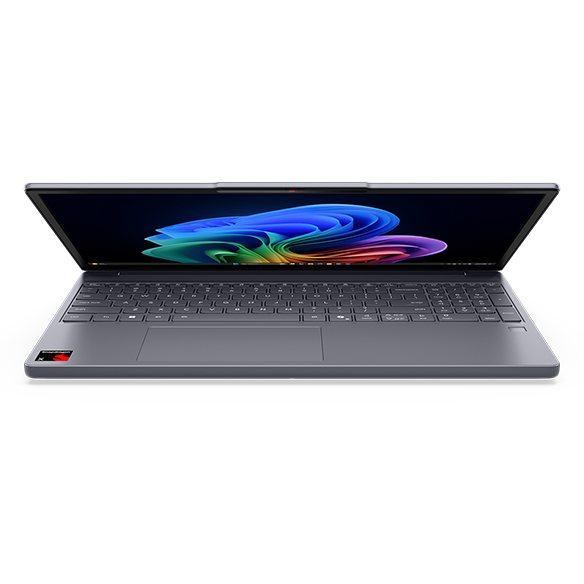
Best for: buyers who want the best all-round spec sheet on this list, genuine on-device AI features, and don’t rely on older niche Windows software.
Best Ultra-Budget (With a Caveat): KAIGERR 15.6″ Laptop
At $801 AUD, this KAIGERR model actually has the best specs-on-paper of anything in this list at this price: a 12-core Intel i5-12600H processor, 16GB RAM, and a 512GB SSD. If you were comparing spec sheets alone, it would look like the clear winner.
Here’s the honest caveat: KAIGERR isn’t an established computer brand with a retail presence or a long-term track record, it’s one of a wave of generic manufacturers selling primarily through Amazon marketplace listings. Reviews of the brand note solid day-to-day performance for the price, but also flag limited customer support networks, uncertain long-term reliability, and weaker resale value compared to a name-brand machine. You’re trading brand accountability and long-term peace of mind for an impressive spec sheet at a lower price.
Check current price on Amazon AU
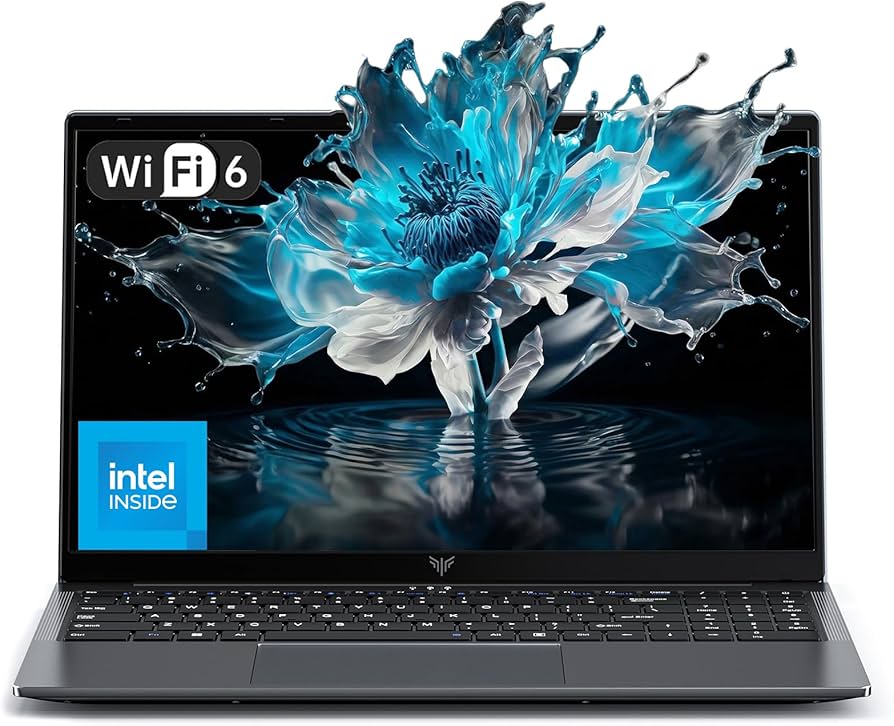
Best for: buyers who prioritise raw specs over brand reputation, and are comfortable with a shorter support runway if something goes wrong.
Best Bang-for-Buck Chromebook Alternative: ASUS Vivobook Go 14 (E1404FA-EB1613WS)
If your workload lives almost entirely in a browser, email, and streaming, you don’t necessarily need to spend Chromebook money to get a Chromebook experience. At $499 AUD, this ASUS Vivobook Go 14 comes from an established, reputable brand and does essentially everything a Chromebook would, just running Windows instead of ChromeOS, at a fraction of the price.
The spec sheet does need a clear caveat. This configuration ships with an AMD Athlon processor, 4GB of RAM, and 128GB of storage, well below the 16GB baseline (and even the 8GB minimum) we’d generally recommend elsewhere in this list. Realistic uses are basic web browsing with a handful of tabs open, email, and simple document editing. Multitasking, heavy browser habits with dozens of tabs, and anything resembling creative work or gaming are not realistic on this machine. 128GB of storage will also fill up quickly once Windows and a few apps are installed.
This isn’t a laptop we’d recommend as anyone’s primary or only computer in 2026. Where it makes sense is as a secondary, single-purpose device, a basic browsing machine for a child, a grandparent, or a spare backup unit, at a bargain price.
Check current price on Amazon AU
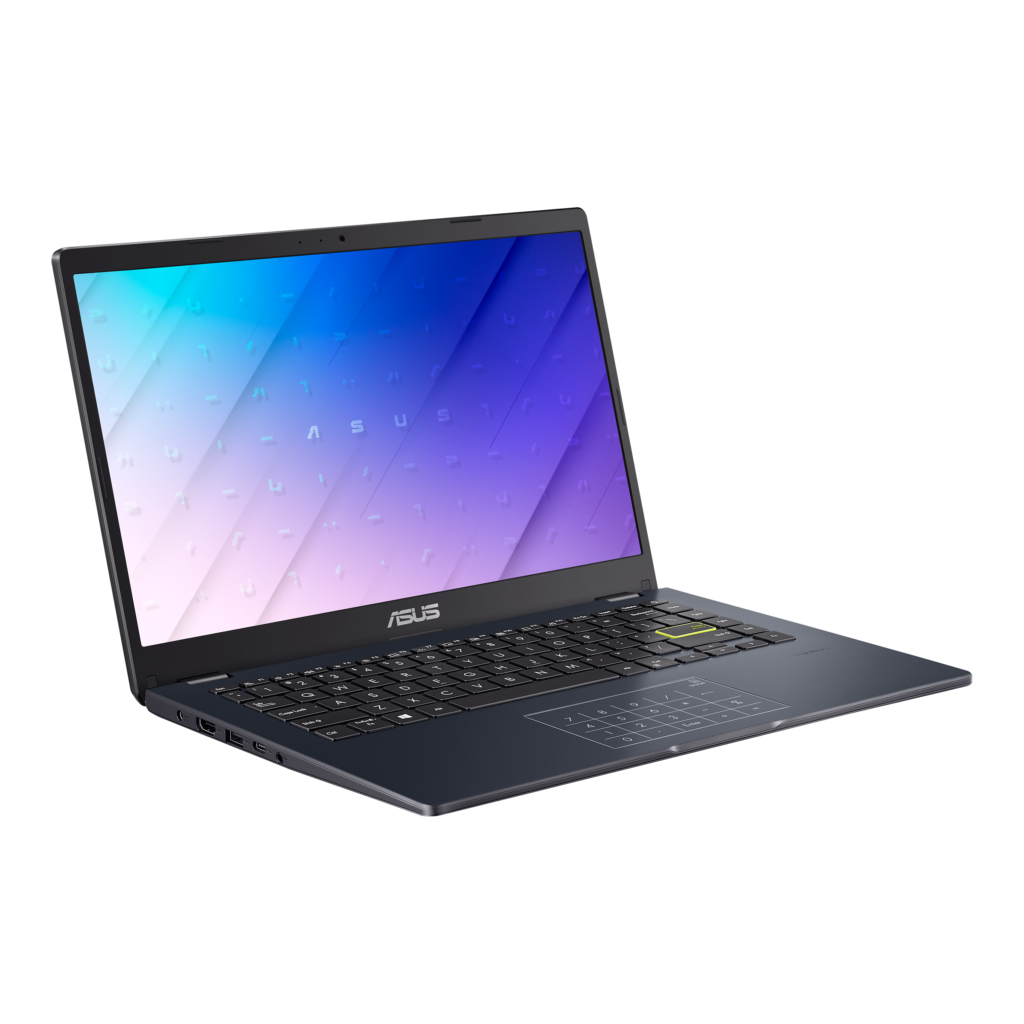
Best for: browser-based light use, email, and streaming on a tight budget, as a secondary device rather than a primary computer.
Buying Tips Before You Purchase
- Check for student and educator discounts. Many brands offer 10-15% off, which can shift a laptop just above this budget into range.
- Consider refurbished premium models. A refurbished previous-generation MacBook Air or Dell XPS can sometimes outperform a brand-new budget laptop at the same price.
- Budget for a USB-C hub. Most thin laptops in this range have limited ports. A decent hub with HDMI, USB-A, and an SD card slot will save you real frustration later.
- Test the keyboard in person if you can. A cramped or mushy keyboard is one of the most common regrets buyers report after purchasing sight unseen.
Bottom Line
You no longer need to choose between “cheap” and “good” at this price point, but you do need to choose based on what you’ll actually use the laptop for. Whether that’s a straightforward everyday machine, a rock-bottom browsing device, or something in between, all four picks here are all available under $1,000 AUD in Australia right now, verified against real listings.