

More than 15 million Australians now hold a Digital ID, the federal government said this week, marking one year since the Digital ID Act 2024 took effect and setting up a broader rollout that will open the system to private sector providers later this year.
Verified transactions through the Australian Government Digital ID System, known as AGDIS, reached 80 million in the past 12 months, more than triple the volume recorded in the prior period, according to the Department of Finance. The 15 million Digital IDs created so far are being used to access 246 online government services, and most have been verified to what the department calls a “Strong” level, its highest biometric assurance tier.
Western Australia has become the first jurisdiction to allow driver licences to be used to create a Strong Digital ID, a verification level previously available only to passport holders. The change is being progressively rolled out to 2.2 million WA driver licence and learner’s permit holders, the department said.
More than 2 million Australian Business Numbers are now linked to the system’s Relationship Authorisation Manager, which the government said gives business owners greater assurance over who is authorized to act on their behalf.
The anniversary comes as the government prepares for the next phase of the rollout: opening the Australian Government Digital ID System to accredited private sector providers from Nov. 30, 2026. Currently, only government and government-owned entities are eligible to participate in AGDIS. Once private companies can join, either as accredited entities offering Digital ID services or as relying parties that accept Digital ID for verification, Australians are expected to have more choice in which provider they use.
The Department of Finance said it has also updated Digital ID Rules to better support individuals affected by fraud or cybersecurity incidents within the system, and is working to address barriers that have made it harder for culturally and linguistically diverse people, First Nations Australians and people with disability to obtain and reuse a Digital ID.
Other initiatives underway include a pilot using Digital ID alongside Consumer Data Right protections to safeguard renters’ personal information during rental applications, and amendments to anti-money laundering guidance that would allow Digital ID to satisfy Know-Your-Customer requirements for regulated industries. The government is also testing whether it should offer government-issued verifiable credentials, such as licenses or certifications, that could be stored in a person’s chosen digital wallet rather than solely through government platforms.
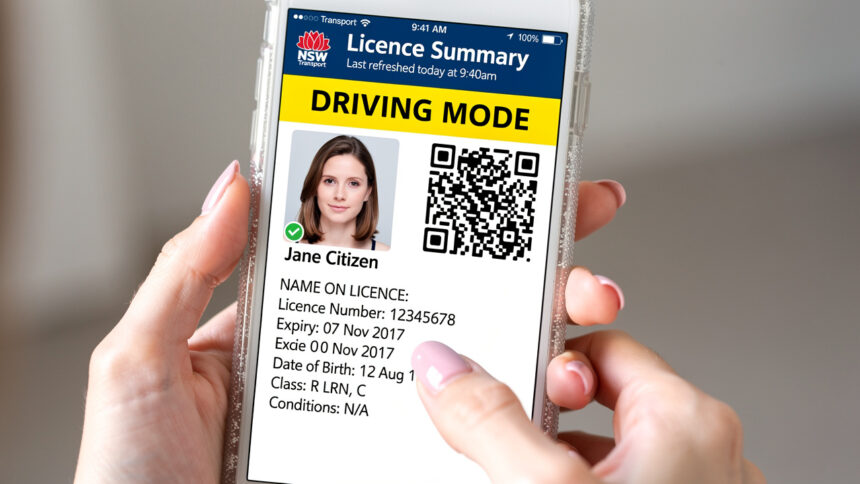
State-level Digital ID programs, including the New South Wales Digital ID pilot launched through Service NSW earlier this year, sit alongside the federal system and serve different purposes. The federal myID, formerly myGovID, verifies identity for services such as Medicare and Centrelink, while state-based systems like NSW’s are designed for state government transactions, with some jurisdictions, including NSW, working toward broader credential reuse across both government and business services over time.
What This Means: Your ID, Now a Private Sector Product
For its first year, Digital ID has largely been a government-to-citizen relationship. Allowing citizens to verify their identities, in which the government approves of it. And that is where the trail ends. From November 30, that changes.
Once accredited private companies can join the Australian Government Digital ID System as either accredited entities or relying parties, identity verification stops being something only government agencies handle and becomes a service commercial providers compete to offer. In practice this means that banks, telcos, rental platforms and potentially retailers could plug directly into the same verification infrastructure currently used for Medicare and Centrelink, using your Strong Digital ID (the same tier that now checks driver’s licences and passports) to confirm who you are before you sign a lease, open an account, or complete a purchase.
The system’s supporters point out this is exactly what framework was built for, and that it increases end user efficiency on both the government and citizen ends. Instead of scanning your passport into a dozen different company databases, you’d verify once and reuse that credential everywhere, in theory reducing the number of organizations physically holding copies of your identity documents. The rental application pilot already underway, using Digital ID alongside Consumer Data Right protections, is being pitched on exactly this logic.
But “reuse” cuts both ways. Every additional accredited private provider is another company in a seemingly growing list of companies with a live connection into the verification pipeline that confirms Australians’ legal identities, and another node in the system that could be targeted or breached. The Department of Finance has acknowledged this directly, updating Digital ID Rules this year specifically to better support individuals affected by fraud or cybersecurity incidents within the system, an admission that the risk isn’t hypothetical.
The AML/CTF guidance changes that would let Digital ID satisfy Know-Your-Customer checks for regulated industries point toward the same direction: verification data doing more work, moving through more hands, for more transaction types than it was originally built for.
There’s also a scale question worth sitting with. Eighty million verified transactions in a single year, more than tripling the year before, shows how quickly usage compounds once a convenient default exists. Now extend that pattern to a private sector layer with commercial incentives to increase transaction volume, and the trajectory points toward Digital ID becoming closer to default infrastructure for proving who you are online in Australia, essentially ceasing to become an optional convenience for people who choose to opt in.