
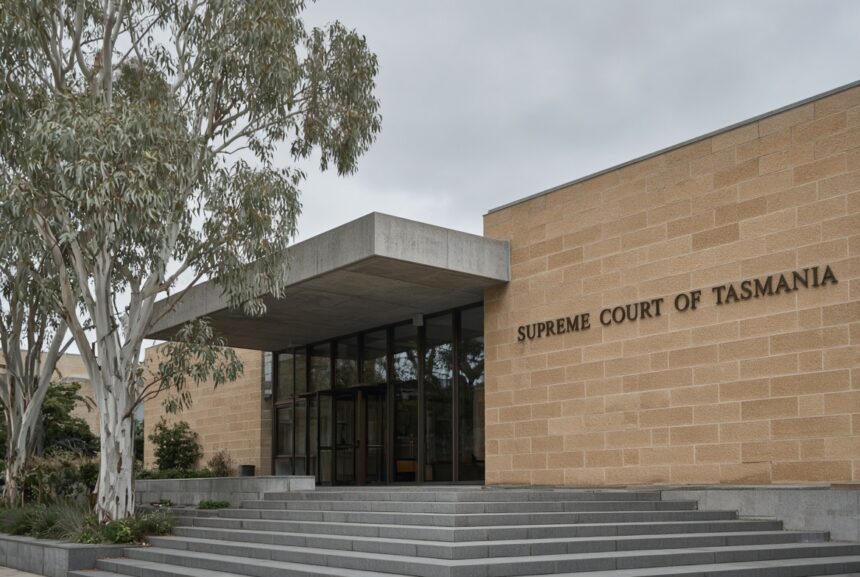
Tasmanian Parole Board Cited Fake AI Case Law in Gag Order after a rationale document listed authorities that did not exist, the Supreme Court in Hobart was told Tuesday.
How the fake citations got into the file
A rationale document prepared by parole board secretary Ben Hancock listed authorities he said supported a ban that stopped convicted murderer Susan Neill-Fraser from speaking to the media. Those cases were not real. Counsel told the court the references were “AI hallucinations.” The board withdrew the condition in August and did not fight the order being quashed.
Neill-Fraser, 72, was released in 2022 after 13 years in prison for the 2009 killing of her partner, Bob Chappell, on their yacht off Hobart. His body has never been found. She was sentenced in 2010 to 26 years. She has lost multiple appeals and still says she is innocent. Supporters including her daughter Sarah Bowles, federal MP Andrew Wilkie and former premier Lara Giddings have called for an inquiry. Courts have not granted one.
The media ban arrived in 2024. It stopped her from talking to journalists, directly or through others, about claimed innocence or a wrongful conviction. In 2025 the wording was tightened to cover written statements and third parties. A parole officer told her in November 2024 that a news outlet wanted an interview. The ban stood about two years. Her lawyer, Tom Coleridge, said the board left an unlawful condition in place after the AI problem came to light.
What the Supreme Court found
Justice Stephen Estcourt found the condition was imposed without procedural fairness, was legally unreasonable and was filled with uncertainty. The board had not met Neill-Fraser before it attached the restriction and had refused to give her reasons.
Outside court, Neill-Fraser said the fight was not meant to cause anguish. “I have always maintained my innocence and I am continuing in my quest to clear my name and advocate for the broader issue of wrongful convictions in Australia,” she said. “I cannot walk away from that.”
Sarah Schwartz of the Human Rights Law Centre, who represents her, called the episode “deeply troubling.” “It’s really concerning that the Parole Board of Tasmania, a public authority, used AI in generating this document that so severely has restricted our client’s fundamental freedoms,” Schwartz said.
What happens next
Attorney-General Guy Barnett said Wednesday he would write to the board’s chair seeking an explanation of how inaccurate material was produced. “I will be seeking assurances around how the board will ensure this doesn’t happen again,” he said. He also asked the Justice Department secretary to remind staff they must follow the state’s AI use policy. Barnett stressed the board is independent and the government does not decide parole cases.
Greg Barns SC, chair of the Prisoners Legal Service, called the error extraordinary and said board members should resign. He wants an audit of other written decisions. “There’ve been plenty of warnings about AI from courts and other legal organisations,” he said. Luke Taylor, acting president of the Law Society of Tasmania, said AI does not replace the human decision-maker and that missing safeguards damage public confidence.
Community Legal Centres Tasmania president Ryan Gilmour said clients now arrive with instructions drafted by chatbots and then distrust advice that contradicts the machine. Courts and tribunals around the country have spent two years warning that invented citations are showing up in filings. What is new here is the user. This was not a litigant pasting a chatbot into a brief. It was a state parole secretariat feeding invented authorities into a condition that silenced a parolee on a matter of public controversy.
Estcourt’s order restores her right to speak. It does not reopen the murder conviction. Sources described the tool as AI. They did not name a product. Barnett has asked for a letter. Barns has asked for resignations. Neither demand has been answered in public.